Stem Cell Explorer - Unity
Project Summary
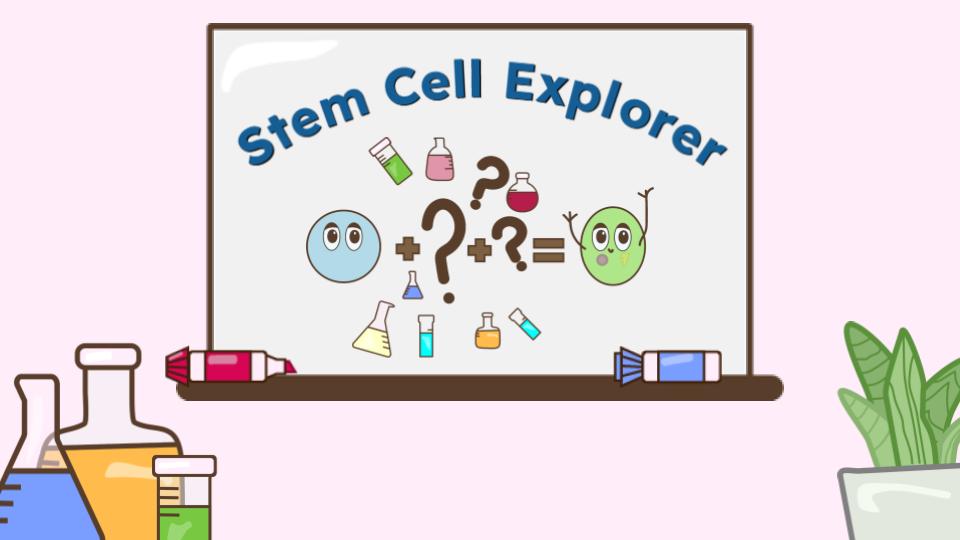
Developed in collaboration with the Francis Lynn Lab and funded by a Knowledge Exchange and Science Communication grant from the BC Children's Hospital Research Institute (BCCHRI), Stem Cell Explorer is an educational 2D browser-based game. The project aims to demystify stem cell research and its applications for Type 1 Diabetes treatments for students and the general community.
As the Lead Developer and Designer, I managed the end-to-end production pipeline - from initial prototyping and stakeholder management with lab researchers to full-stack programming, implementation, and deployment. The game was designed for maximum accessibility, ensuring a seamless experience across Chromebooks, iPads, and desktop browsers.
- Role: Lead Game Developer & Designer
- Skills: Unity, C#, 2D Animation, UI/UX Design, Localization, Telemetry Systems
Core Gameplay: The Scientific Method
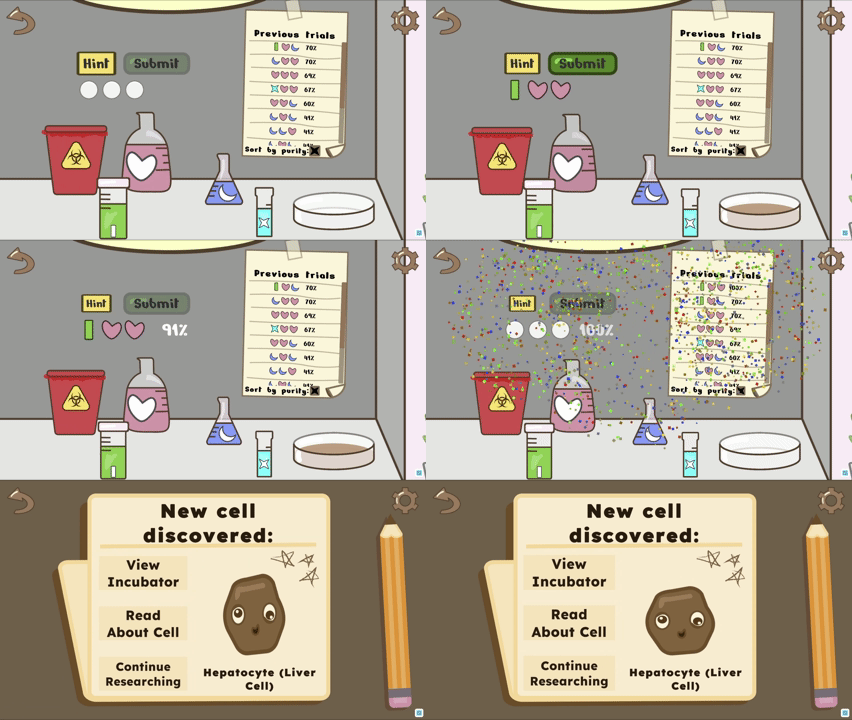
The heart of the experience is a "code-breaking" style mechanic housed in the Fume Hood level. This system was designed to mirror the iterative nature of the scientific method:
- Hypothesis & Testing: Players make guesses (experimental setups) and receive a purity score based on their accuracy.
- Deduction: Using feedback from previous attempts, players refine their choices to discover new cells.
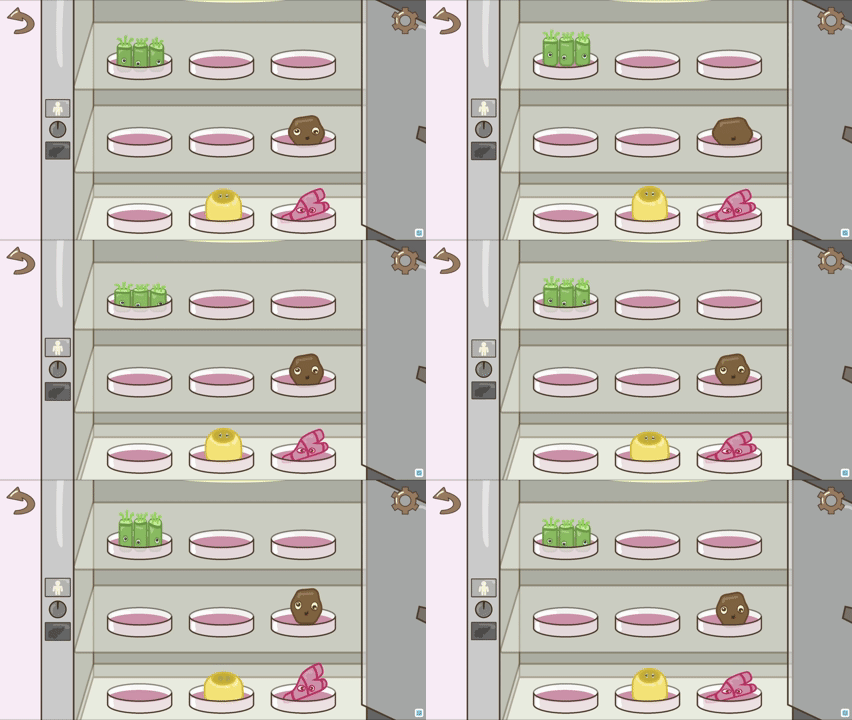
- The Incubator: Once discovered, cells are housed in the Incubator, a toy-like interactive space where players can tap on cells to trigger unique animations and sound effects, encouraging a sense of ownership and curiosity.
Iterative Design & Stakeholder Collaboration
The project followed a rigorous three-phase development cycle to ensure both scientific accuracy and pedagogical effectiveness:
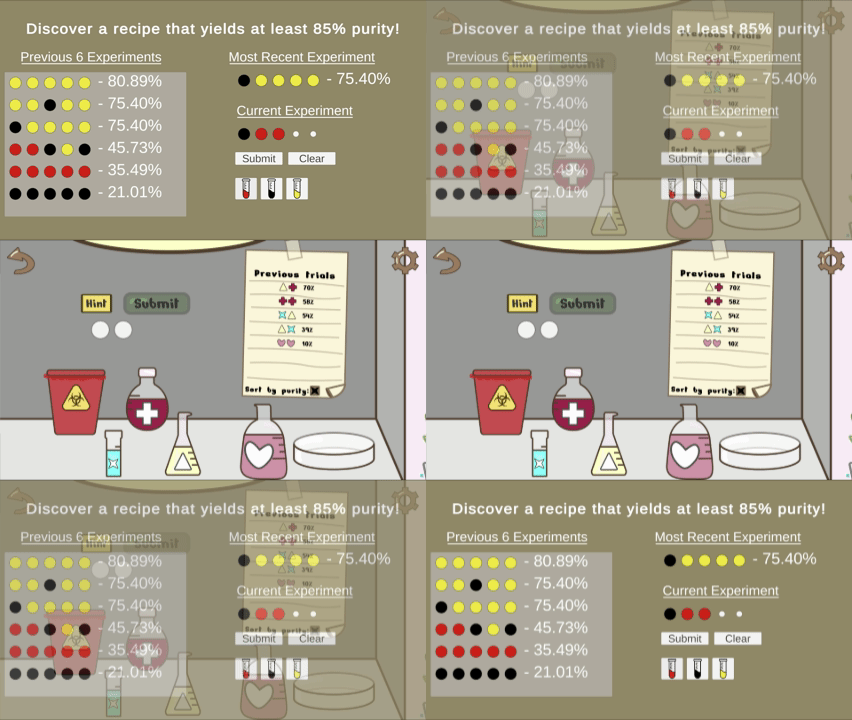
- Graybox Prototype: A functional proof-of-concept focused on the core experimentation loop to validate engagement with stakeholders and the Lynn Lab.
- Beta Version: Extensive playtesting with the target demographic (children and students) to refine the UI/UX and difficulty curves.
- Final Polish: Integration of final 2D assets, full voiceovers, and accessibility features based on community feedback.
Telemetry & Research Tools
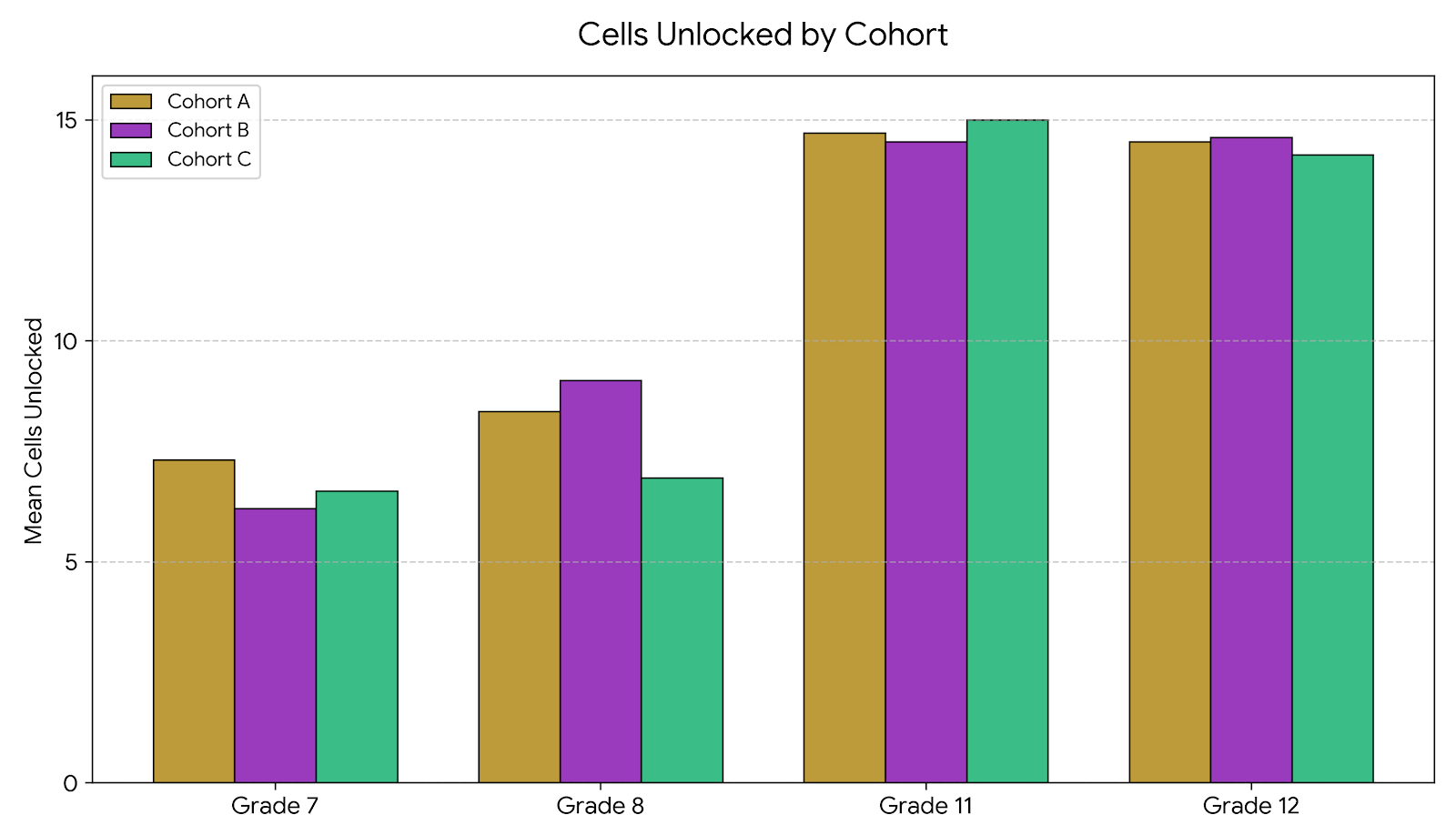
To fulfill its purpose as a science communication tool, I implemented a robust Telemetry System. Every player action is logged to an external database, allowing researchers to:
- Perform data analysis on player engagement and learning retention.
- Generate unique cohort tags for teachers, allowing them to track the progress of specific classrooms.
- Identify trends in how players approach problem-solving and the scientific method.
Journal & Achievement Systems
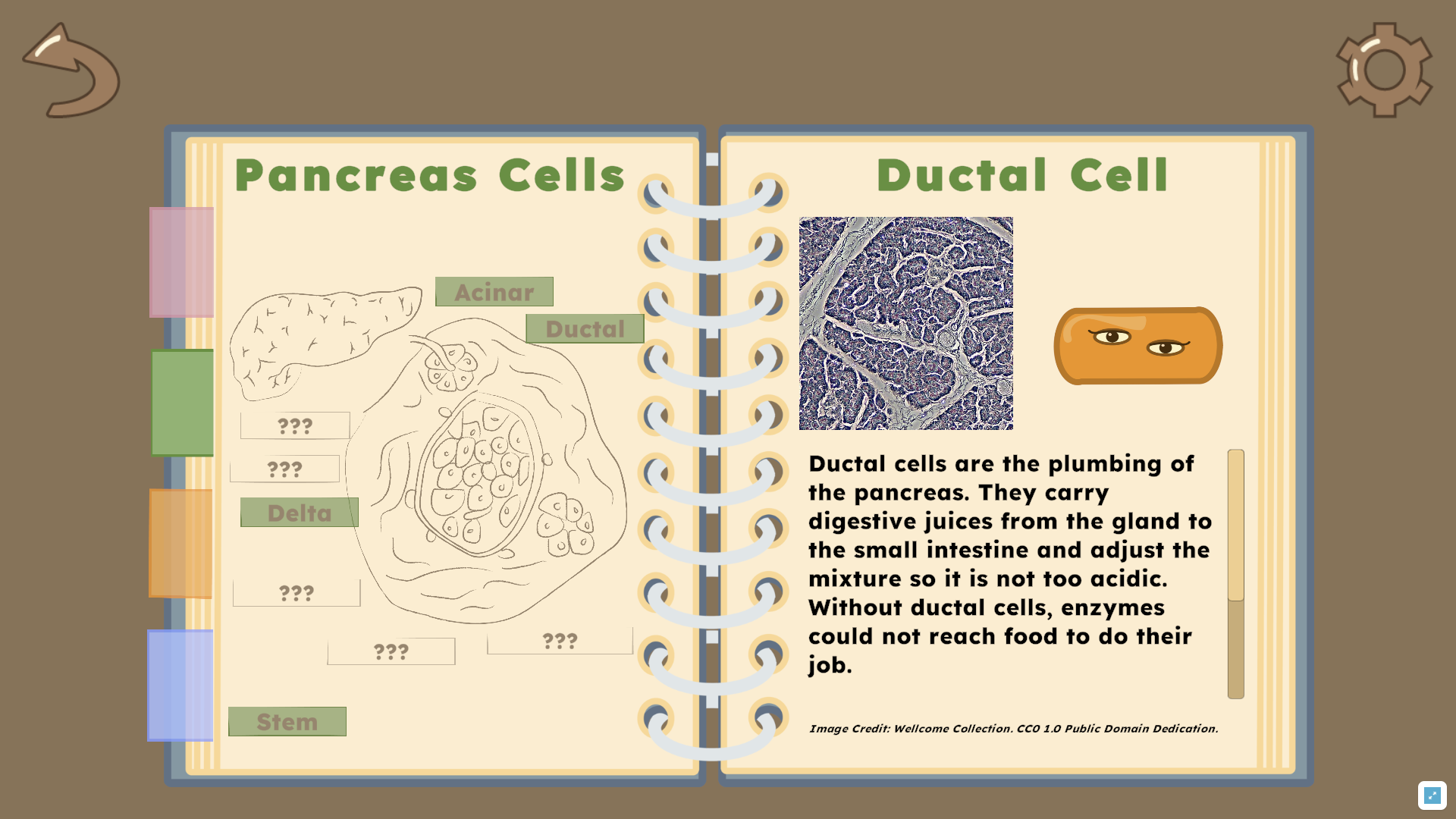
To reward progression and provide deeper educational context, I developed a comprehensive Journal and Sticker System:
- The Lab Journal: Automatically unlocks entries regarding discovered cells, laboratory equipment, and the real-world science behind the Lynn Lab's research.
- Achievements: Players earn digital stickers for hitting specific milestones, which are tracked via the telemetry system to provide a sense of tangible accomplishment.
Animation, Sound, & Visuals
I was responsible for bringing the world to life through 2D animation and Sound Design, ensuring the game felt toy-like and responsive.
- Visuals: I implemented hand-drawn, friendly, cartoony assets (created by the Lynn Lab's Katarina Zosel) to make the lab environment feel inviting rather than clinical.
- Audio: I designed the sound effects and integrated the musical score to provide satisfying feedback for every interaction, from the "splash" of lab equipment to the "chirp" of the stem cells.
Localization & Accessibility
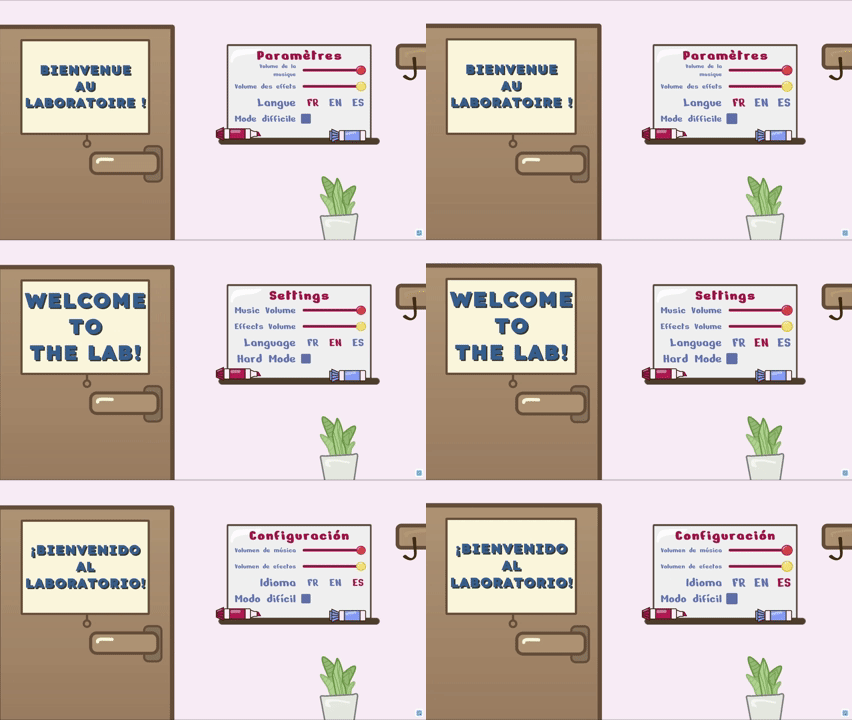
To ensure the widest possible impact across North America and beyond, I implemented a full Localization System.
- Multilingual Support: The game is fully playable in English, French, and Spanish.
- Voiceovers: I managed and implemented voice acting for all three languages, ensuring that younger students or those with different learning needs could engage with the content without being limited by reading level.
- Input Flexibility: Optimized for mouse, trackpad, and touch-screen inputs to accommodate various school hardware.
Impact & Recognition
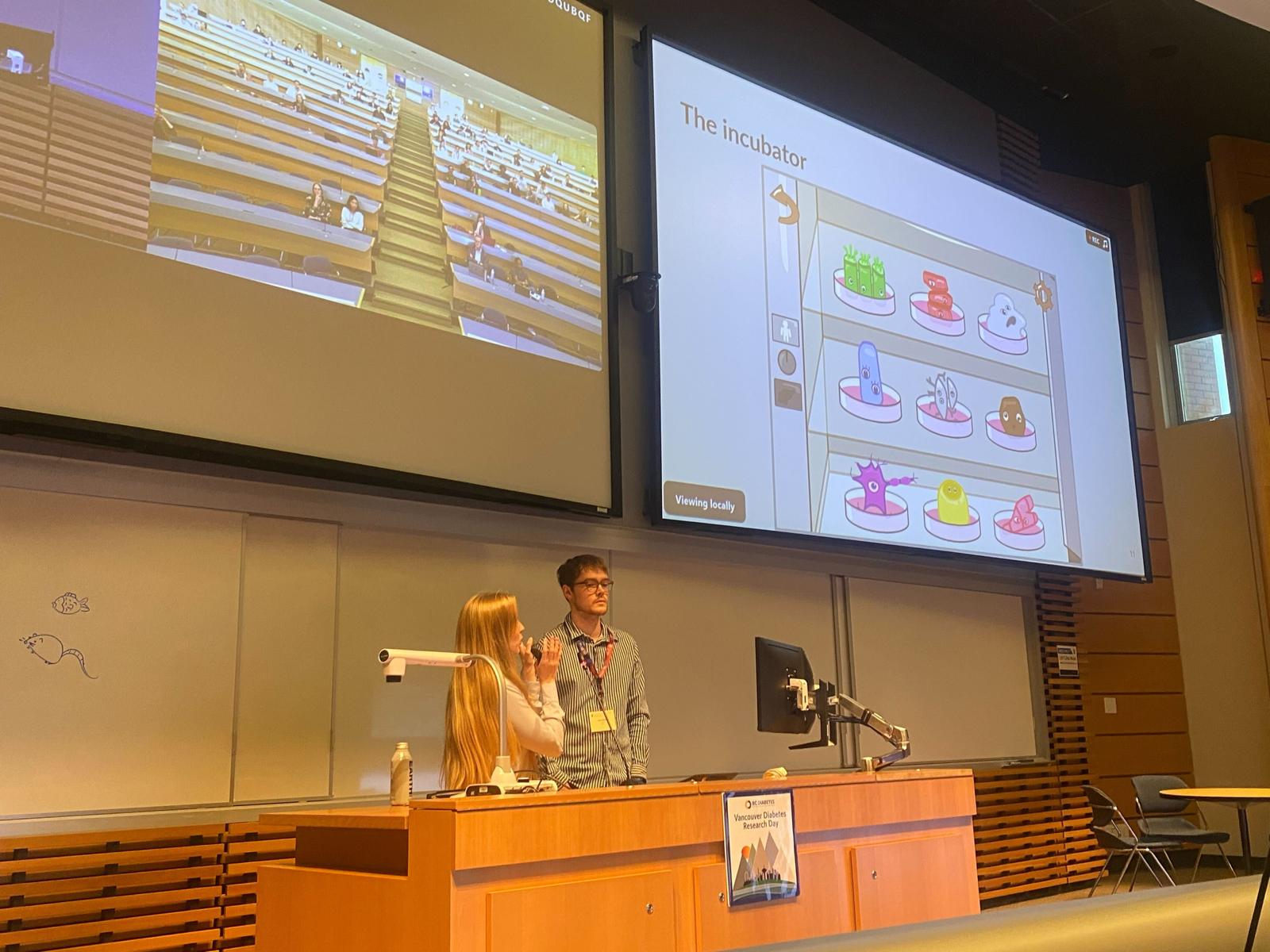
Stem Cell Explorer has been presented at major professional milestones, including UBC Vancouver Diabetes Research Day 2025 and the Alberta British Columbia Islet Workshop 2026. The project was recognized for its excellence in science communication, winning an award for its innovative approach to making complex biomedical research accessible to the public.