Battlefield 6 - Fort Lyndon
Project Summary
As a Level Designer at Ripple Effect Studios, I contributed to the development of Battlefield 6 and its inaugural live-service season. I worked within the Frostbite engine to develop Fort Lyndon, a massive scale environment set in Southern California, inspired by Los Angeles and La Jolla. The map was designed to support high-player-count Battle Royale gameplay as well as Gauntlet, a new high-stakes, squad-based elimination mode.
My role focused on blending classic Battlefield pillars such as destruction, vehicle play, and class-based synergy with modern extraction and battle royale mechanics. I was responsible for end-to-end level design tasks, from initial white-boxing and sightline analysis to telemetry implementation.
- Role: Level Designer
- Skills: Frostbite Engine, Spatial Design, Telemetry Analysis, Technical Documentation, Combat Balancing
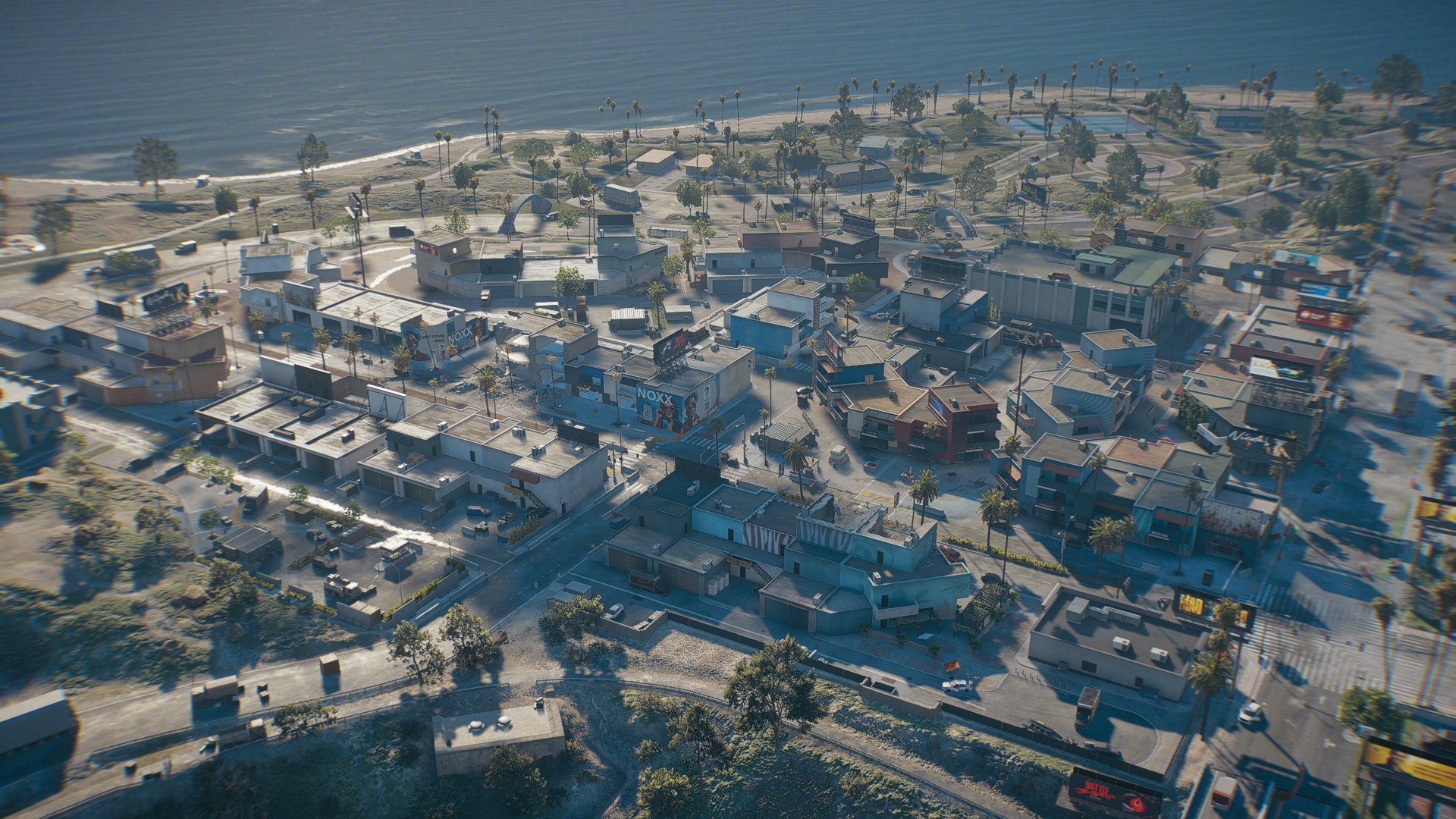
POI Development: The Boutique District
I served as a primary designer for the Boutique District, a high-density urban zone. My work centered on facilitating high-mobility gameplay, specifically focusing on verticality and rooftop transitions.
- Vertical Traversal: Strategically placed ladders, zip lines, and architectural mantling points to reward players who mastered the game's movement mechanics.
- Cover & Flow: Iterated on prop placement and building layouts to create recurring patterns that allow for predictable but skill-based flanking routes.
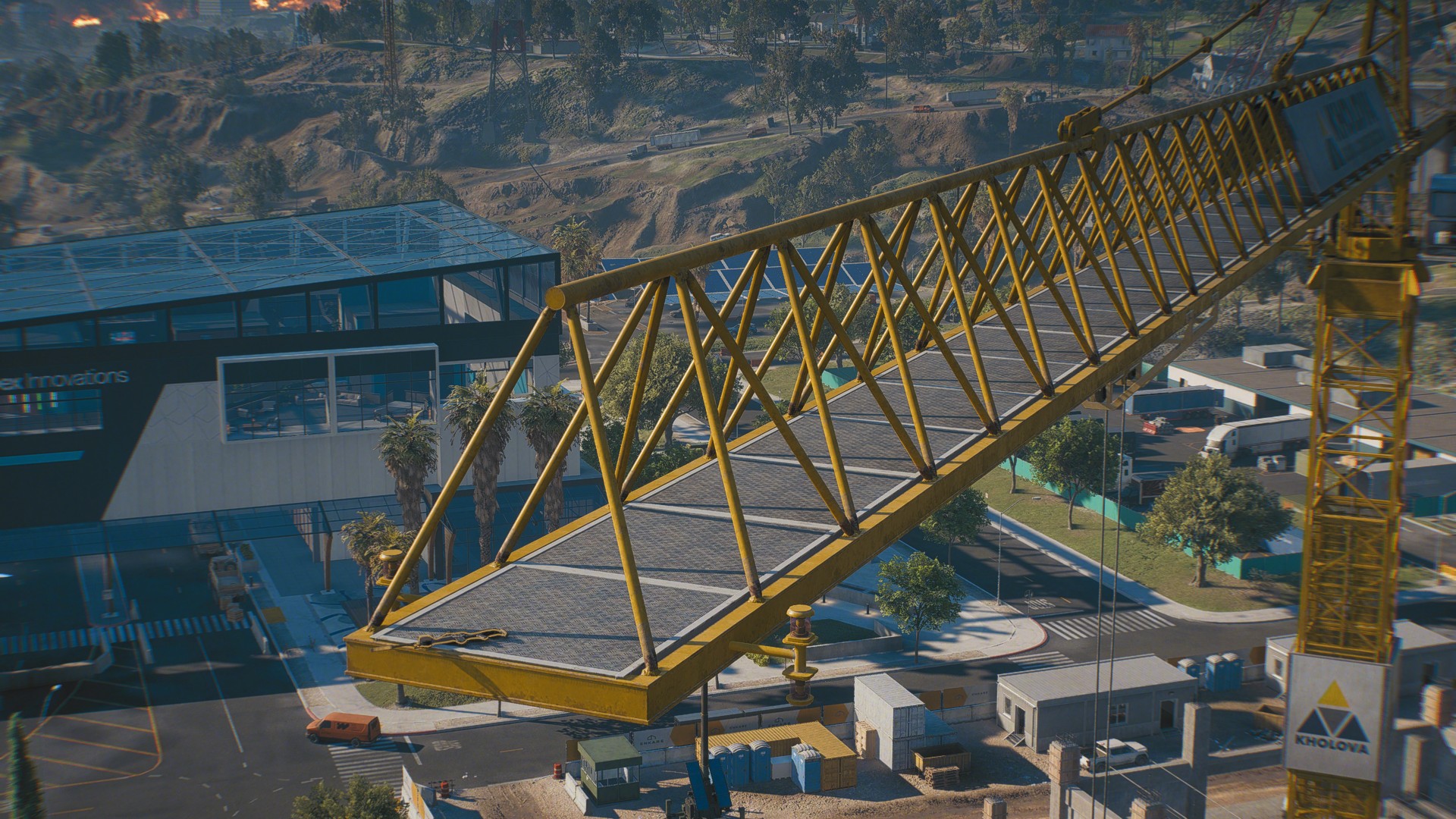
Intel Caches & Narrative Collectibles
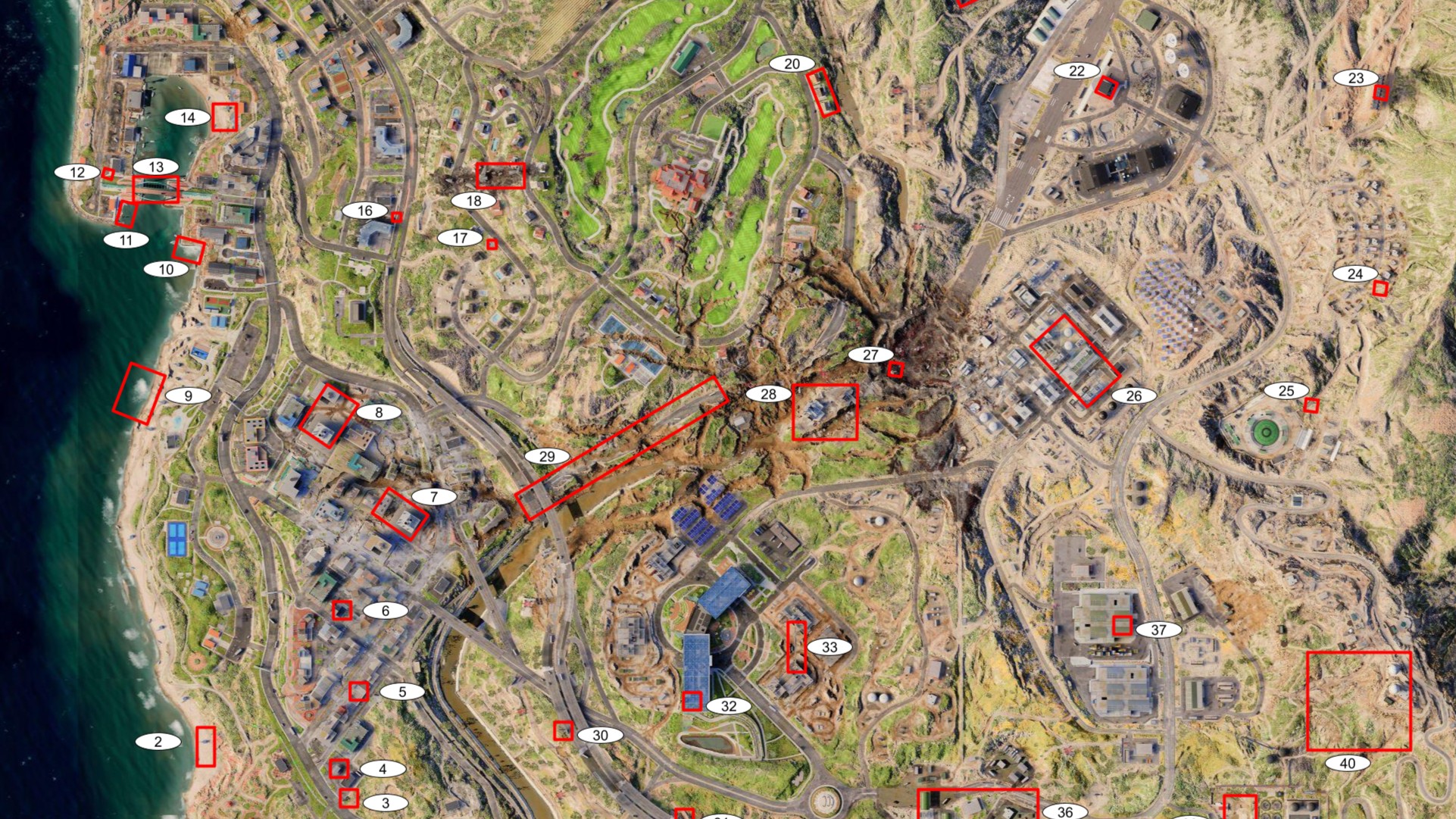
I took the level design lead on Intel Caches and Narrative Superior Weapons, which served as high-value Easter Eggs hidden across Fort Lyndon. These items encouraged deep exploration and environmental storytelling.
- Placement Strategy: I tucked these items into hard-to-reach or obscure locations that required players to utilize audio cues and advanced traversal knowledge.
- Reward Loop: These items provided tangible gameplay advantages (superior firepower) and narrative hooks, receiving high praise in both internal and external playtests for adding discovery beats to the standard combat loop.
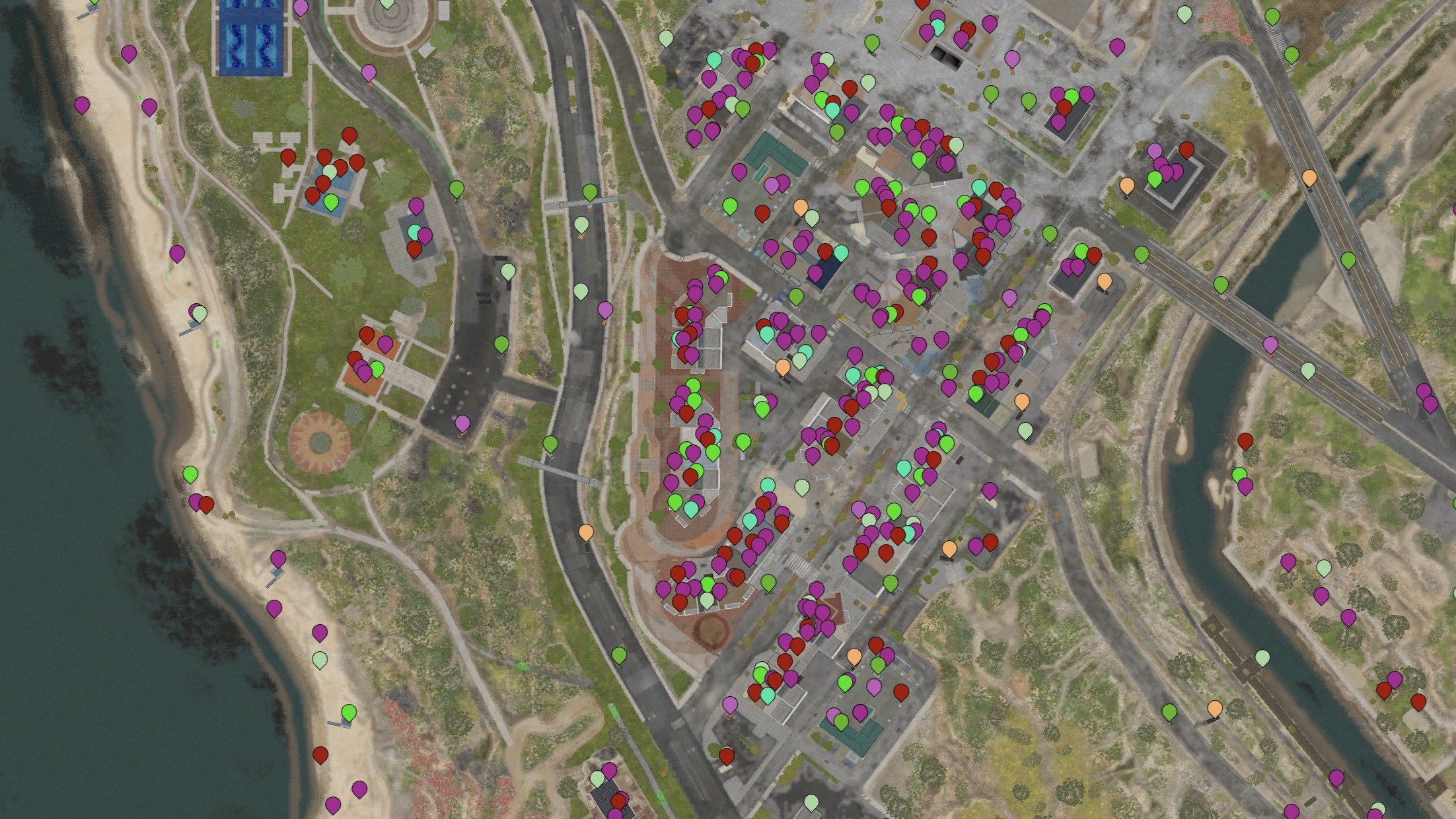
Loot & Mission Integration
A significant portion of my workflow involved managing the Living Map systems, specifically the distribution of loot and dynamic missions.
- Loot Balancing: Placed and balanced hundreds of loot chests across POIs, ensuring the density felt rewarding without cluttering the combat space.
- Mission Design: Implemented side-quest style missions intended to pull players toward underutilized areas of the map. I balanced these objectives to ensure they provided in-round progression without distracting from the core survival objective.
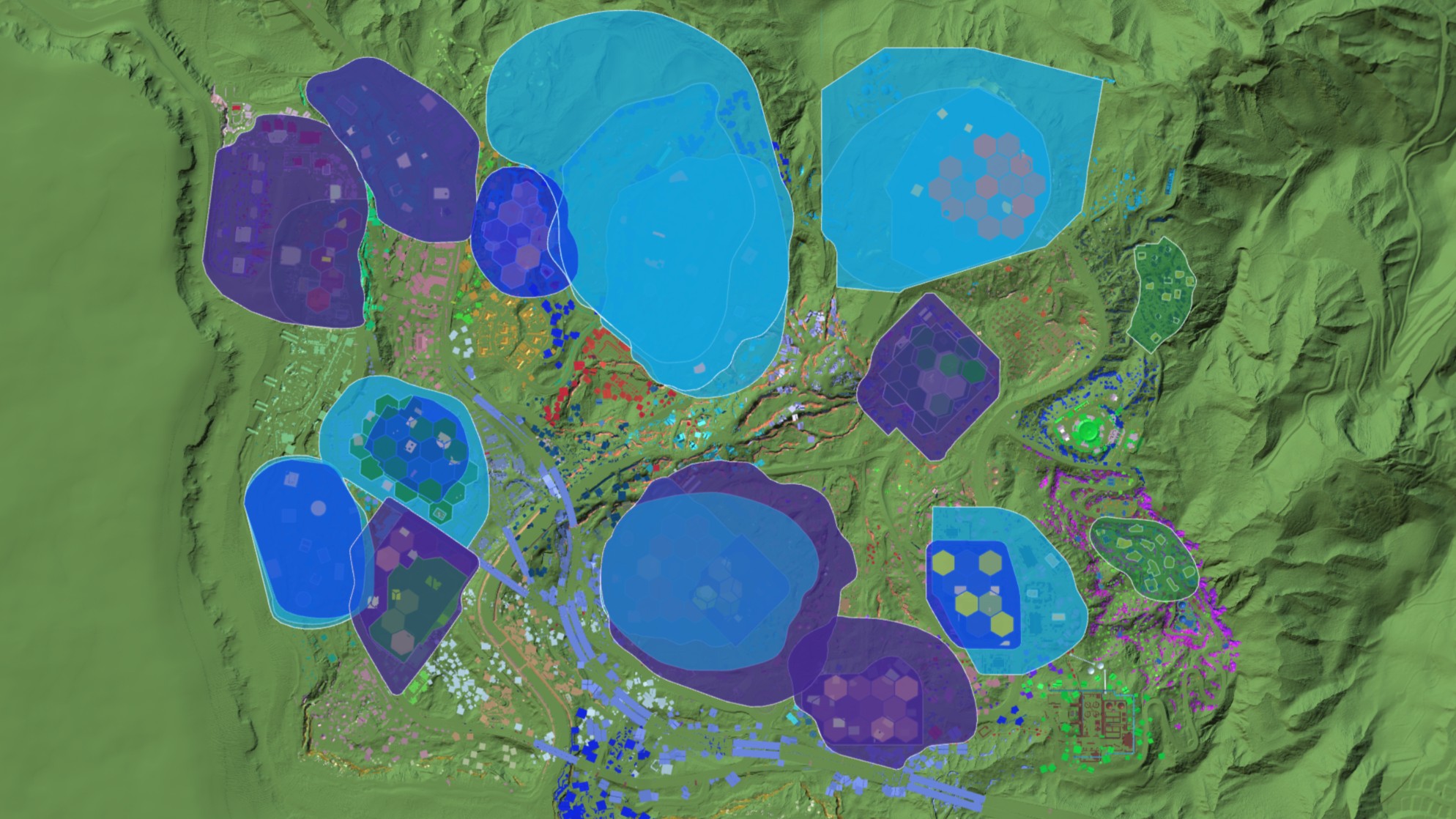
Gauntlet: Mode Prototyping
During the ramp-up to production, I was heavily involved in the prototyping phase of the Gauntlet game mode. I designed several of the initial map layouts, tailoring the environment to support smaller, squad-based elimination rounds. Additionally, I led the level implementation of the Demolition and Extraction sub-modes within the Gauntlet framework.
Telemetry & Performance Optimization
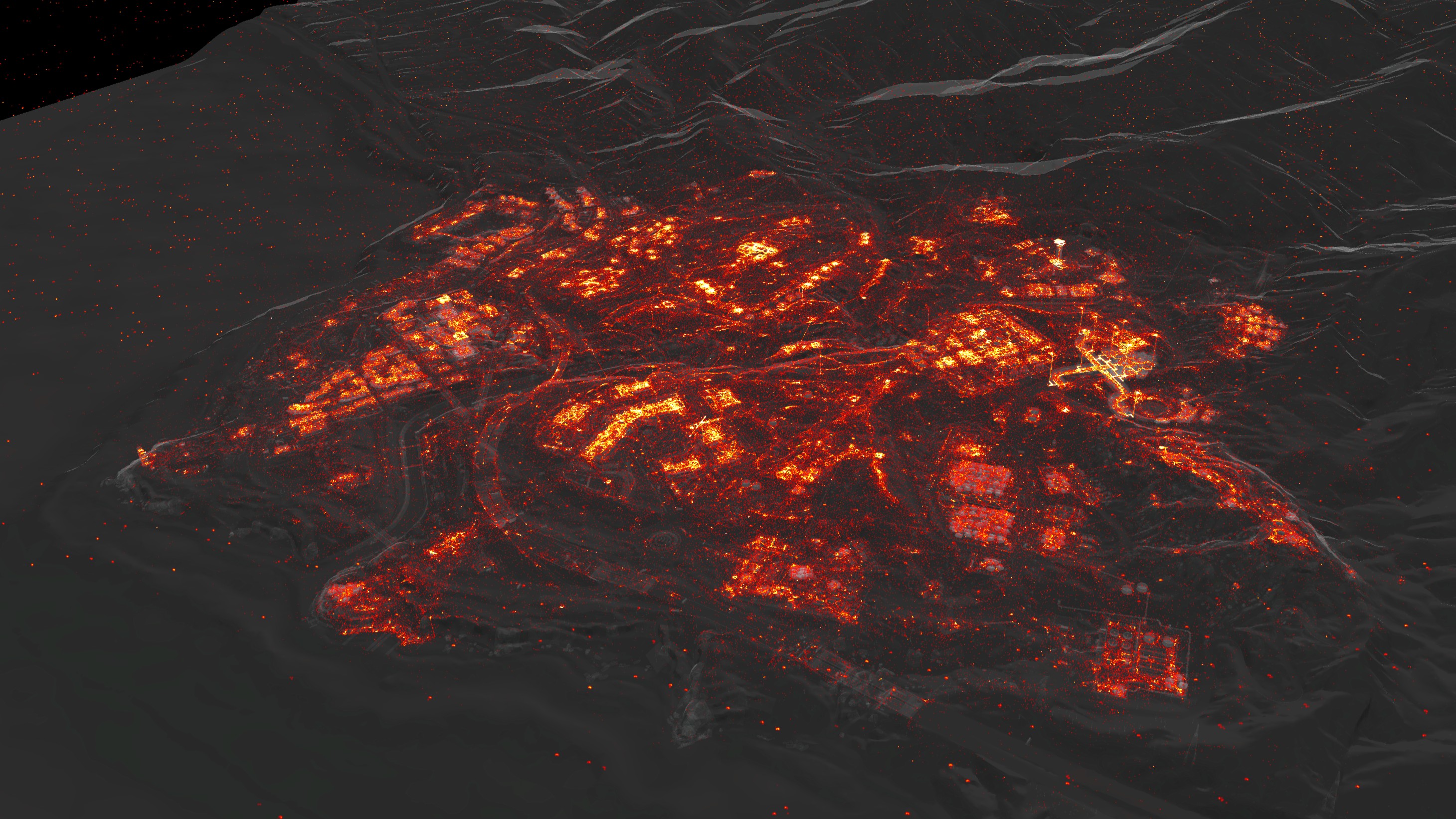
To ensure Fort Lyndon was balanced for a live environment, I led the setup of the map's Telemetry System. By using heatmapping to track player density and engagement, the team identified dead zones or overpowered POIs to adjust layouts based on hard evidence. I also collaborated with technical artists to ensure loot and cover density did not violate performance budgets or level-streaming triggers.
Documentation & Collaboration
I acted as a bridge between design, engineering, and quality assurance. I authored official documentation for Intel Cache and Narrative Weapon placement, establishing the technical requirements and creative pillars for future designers. Furthermore, I provided the QA team with detailed placement maps and scripts to streamline bug reporting and feature validation.